take you to understand eva film production technology
- 2023-01-14
- Fulian Professional Manufacturer of EVA Film
- 1392
eva ethylene-vinyl acetate (vinyl acetate) ester copolymer is produced by copolymerizing ethylene (e) and vinyl acetate (va). its english name is: ethyiene vinyi acetate, referred to as eva, or e/vac. generally, the vinyl acetate (va) content is between 5% and 40%. compared with polyethylene, eva reduces the crystallinity and improves flexibility, impact resistance, filler compatibility and heat sealing performance due to the introduction of vinyl acetate monomer into the molecular chain.
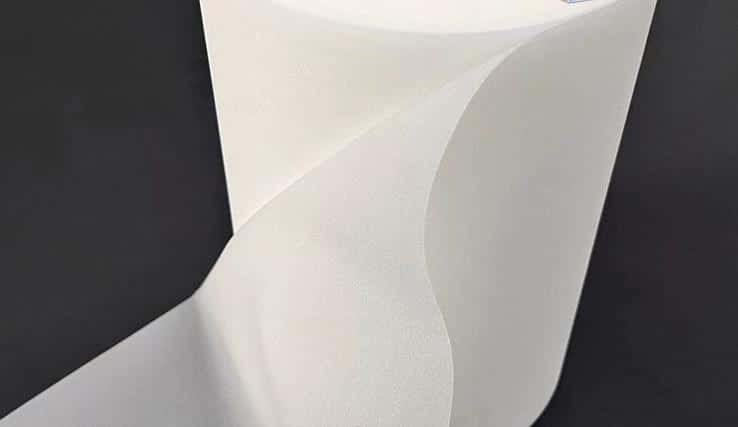
generally speaking, the performance of eva resin mainly depends on the content of vinyl acetate in the molecular chain. since the proportion of the constituent components can be adjusted to meet different application needs, the higher the content of vinyl acetate (va content), the higher its transparency, softness and toughness will be.
eva resin is characterized by good softness, rubber-like elasticity, good flexibility, transparency and surface gloss at -50°c, good chemical stability, good aging resistance and ozone resistance. , non-toxic. good blendability with fillers, good coloring and molding processability.
eva resin is widely used. generally speaking, the main products of eva with a vinyl acetate content of less than 5% are films, wires and cables, ldpe modifiers, adhesives, etc.; eva products with a vinyl acetate content of 5%-10% are elastic films, etc., vinyl acetate contains eva with a content of 20-28% is mainly used for hot melt adhesives and coating products; vinyl acetate content is 5%-45%, and the main products are films including (agricultural films) and sheets, injection molding, and molded products , foam products, hot melt adhesives, etc.
Related Information
-
What is the difference between PEVA film and EVA film?
-
Encapsulation efficiency of eva photovoltaic encapsulation film
-
How to apply soundproof EVA glass laminated film in the automotive industry
-
A case study of double glass modules encapsulated with eva photovoltaic hot melt adhesive film
-
A case study of double glass modules encapsulated with photovoltaic EVA hot melt adhesive film
-
Application examples of photovoltaic EVA hot melt adhesive film for rooftop power stations